Wednesday, January 5, 2022

How Much Does It Cost To Upgrade Windows

It's important to consider what each window offers in terms of function, style, and overall cost. Wood replacement windows are more expensive, offer a natural look, and can be painted or stained. They can provide more style options and add to the overall curb appeal of your home. Fiberglass windows require less maintenance than wood windows and are less expensive. Vinyl windows are affordable, functional, and don't require painting, staining, or refinishing. Vinyl windows are among the most energy efficient of all window types.

how much does it cost to upgrade windows - Its important to consider what each window offers in terms of function

They are a great choice for louder environments and have the insulating quality of wood with the added option of foam installation. Key factors to consider when choosing the best window material are appearance, maintenance, price, durability, and energy efficiency. When replacing windows, you'll likely have the option of choosing the window frame material.

how much does it cost to upgrade windows - Wood replacement windows are more expensive

The most common window frame materials are vinyl, wood, fiberglass, aluminum, and composite. Standard vinyl windows are the most popular and have an average price range from $100 to $900 per window. Vinyl is one of the most affordable, durable, and energy-efficient varieties. Wood frames offer a classic architectural look, and some areas may require wood frames if your home is located in a historic district or is a historic landmark. Fiberglass window frames run approximately 15 to 30 percent more than vinyl frames, and the national average cost of window replacement is usually $500 to $1,500 per window.

how much does it cost to upgrade windows - They can provide more style options and add to the overall curb appeal of your home

Fiberglass frames are more durable than vinyl and have similar insulation properties. Aluminum frames can cost anywhere from $75 to $400 per window with some window types costing up to $1,200 or more for large or high-end windows, but they don't insulate as well as other materials. They are the most durable and are constructed of a mix of PVC polymers and wood fiber for maintenance-free frames.

how much does it cost to upgrade windows - Fiberglass windows require less maintenance than wood windows and are less expensive

Don't fall into the trap of "if I replace more windows" that will equal bigger savings on window replacement costs as often times, these types of windows are of lesser quality and energy efficiency. However, don't confuse this statement that you can't get deals when applying apples to apples with getting 3-5 window quotes. Even smaller jobs can get discounts to offset the cost of replacement windows for your home. You will save more money on vinyl windows vs fiberglass windows, on your window replacement project.

how much does it cost to upgrade windows - Vinyl windows are affordable

If the windows in your home aren't opening and closing like they used to or if they're letting in the cold air, it may be time for replacement windows. Knowing the overall cost of window replacement can help keep you within the project's budget and avoid any surprise costs down the road. Labor adds to the overall window replacement cost and can run approximately $100 to $300 per window. The most common factors that affect window replacement cost are the type of window, window frame material, window size, and energy efficiency. Single-pane windows aren't energy efficient, and they also don't offer proper insulation or soundproofing.

how much does it cost to upgrade windows - Vinyl windows are among the most energy efficient of all window types

The biggest benefit of installing double-glazed, or double-pane, windows is the increase in energy efficiency. The internal temperature of your home will likely be easier to maintain, and the thermal efficiency can be improved by up to 80 percent. While the initial window replacement cost will be higher, the windows will pay for themselves with reduced energy costs.

how much does it cost to upgrade windows - They are a great choice for louder environments and have the insulating quality of wood with the added option of foam installation

If you have single-pane windows in your home, consider an upgrade to double- or triple-pane windows to make a difference in your energy bills and improve the curb appeal of your home. There are many options to choose from when deciding to replace windows. The two main factors that affect window replacement cost are window frame material and window design. Beautiful options abound in single hung, double hung, arched, awning, bay, bow, casement, sliding, and more. When choosing a replacement window for your home, consider where the window will be located, how often the window will be opened, and what the function of the window will be. Therefore, homeowners can expect to pay between $6,000 and $9,500 for a typical project to replace 10 double-hung windows with mid-range double-pane, Low-E Vinyl-frame replacement windows.

how much does it cost to upgrade windows - Key factors to consider when choosing the best window material are appearance

The average cost for a standard-size vinyl window that is double-hung, double-pane, and energy-efficient is between $400 and $650 per window installation. For a wood replacement window, expect to pay between $700 and $1,000 including installation. Get free estimates from window replacement companies near you. Window locations can affect total window replacement cost, as replacement in some areas will tack on additional costs per window.

how much does it cost to upgrade windows - When replacing windows

Basement window replacements can run from $250 to $1,000 or more, and basement egress windows can cost from $2,500 to $5,000 or more. These windows provide additional escape routes out of a house in case of an emergency, and most areas require egress windows for basement-level bedrooms. Bathroom or bedroom windows can cost from $300 to $700 each, and windows in a foyer or dining room usually run from $300 to $700.

how much does it cost to upgrade windows - The most common window frame materials are vinyl

If they're large picture, bay, or bow windows, the cost can easily double or triple. Different window types affect the overall cost of window replacement. Before installing replacement windows, be sure to consider the window's size, function, and look.

how much does it cost to upgrade windows - Standard vinyl windows are the most popular and have an average price range from 100 to 900 per window

The most common window types are single-hung, double-hung, picture, casement, sliding, storm, custom, pocket, bay, and bow windows. Generally, the larger the window, the more the window replacement cost will increase. Vinyl window replacement costs range from $100 to $850 each with most homeowners paying between $400 and $600 for a double-hung, double-pane, and energy-efficient window. Vinyl frames are the most cost-effective type of window frame and require little maintenance, but over time the color may fade. It's unlikely a homeowner will save money by replacing windows themselves.

how much does it cost to upgrade windows - Vinyl is one of the most affordable

Window replacement costs on average $250 – $450 per vinyl window and $400 to $700 for wood replacement windows with installation into a single-story home. However, the labor to install windows does increase if you own a 2 or 3 story-home. The average labor cost to replace a vinyl double-hung window is $250 – $450 per window installation. Expect the cost of wood replacement windows to be in the range of $400 to $700. Low-E window replacement cost on average $175 – $350 per window, depending on the size of the window.

how much does it cost to upgrade windows - Wood frames offer a classic architectural look

For example, a 24″ x 36″ Low-E double-pane window can cost $250 to $275 installed by a professional contractor. A Low-E window that has one or more film layers applied to it helps reduce the U-factor of the window and provides year-round energy savings. Single-pane window replacement cost on average $120 – $160 depending on frame type, style, and seal coating. This is about $75- $125 less than double-pane windows, but often homeowners choosing this type of window are usually just trying to match what they currently have. You will find single-pane windows in much older homes and they are often the least energy efficiency of the bunch. The geographical location of your home can significantly impact the cost of window replacement.

how much does it cost to upgrade windows - Fiberglass window frames run approximately 15 to 30 percent more than vinyl frames

Local ordinances and codes could dictate the type of frame and glass that are required for window replacement in your area. If you live in a cold climate, more expensive triple-pane windows are the best option for optimal insulation and energy efficiency. If your home is located in a warmer climate, double-pane windows will usually provide adequate insulation and protection. Double-pane window replacement cost on average $225 – $365, depending on the quality of the window.

how much does it cost to upgrade windows - Fiberglass frames are more durable than vinyl and have similar insulation properties

The higher-quality windows will have two panes of glass that are sealed together with a gas fill, while the less expensive versions will have a single pane of glass with a vinyl or aluminum frame. Pella double-hung-Architect series replacement windowClassic windows (single-hung) look about the same as double-hung, but only the bottom pane moves, while the upper one remains stationary. Single-hung windows generally cost between $250 to $450 per unit and are less commonly available in today's market. One exception is the popular brand of fiberglass windows, Milgard that offers fiberglass frame windows as a single-hung fiberglass Ultra series (premium $$$-$$$$) option. Notably, Milgard, also offers vinyl-frame windows available as a double-hung option like many other brands that carry vinyl replacement windows. Window replacement costs $550 on average with most homeowners spending between $400 and $1,000 per window including installation.
how much does it cost to upgrade windows - Aluminum frames can cost anywhere from 75 to 400 per window with some window types costing up to 1

The cost to replace every window in a 3-bedroom house ranges from $4,500 to $9,600 depending on the sizes, frame materials, type, and the number of windows. Labor cost for professional installation is $159 to $258 on average. When budgeting for window replacement cost, there are additional cost factors and considerations to keep in mind.

how much does it cost to upgrade windows - They are the most durable and are constructed of a mix of PVC polymers and wood fiber for maintenance-free frames

Most window replacement professionals average $40 per hour for window installation. Labor costs can vary due to window size, location, and level of expertise required to correctly install custom windows. Structural repairs, insulation, waterproofing, job location, and disposal and cleanup costs can add to the total window replacement cost.

how much does it cost to upgrade windows - Dont fall into the trap of if I replace more windows that will equal bigger savings on window replacement costs as often times

Replacement window costs vary greatly, from €450 to €1,700 depending on a number of factors. The factors that influence the window replacement cost are the size, style and material of the window to be replaced. For this reason, we have made this helpful chart to give you an idea how much your replacement window could cost in different styles and materials. These costs include taxes and installation costs, though these can vary.
how much does it cost to upgrade windows - However

Triple-pane average window replacement cost on average $300 – $650. You will find that the energy efficiency rating on triple-pane windows is very high, which means that they save money on your energy bills. Replacing your windows can be exciting, but it can also be a little nerve racking if you're not sure about the process and other important things (like cost!).

how much does it cost to upgrade windows - Even smaller jobs can get discounts to offset the cost of replacement windows for your home

We're covering everything you need to know before you start, from what average replacement windows cost, to what you should expect in regards to labor and installation. So read on for all the info you could want or need about the cost of windows and more. The average cost to replace a double-hung, double-pane window ranges from $450 to $1,000. A double-pane vinyl window ranges from $450 to $600 to install, while a double-pane wood replacement window costs between $800 and $1,000.

how much does it cost to upgrade windows - You will save more money on vinyl windows vs fiberglass windows

Common styles and shapes often make for more affordable windows, while interesting and unusual shapes tend to increase window replacement cost. The most affordable window styles are double hung, single hung, sliding, fixed, and casement windows. Retrofit, or replacement windows, are 10 to 15 percent cheaper than new construction and require less labor.

how much does it cost to upgrade windows - If the windows in your home arent opening and closing like they used to or if theyre letting in the cold air

For existing homes, it's recommended to use retrofit windows. If a homeowner decides to utilize full-frame windows or new construction, this can increase the window replacement cost by 50 to 100 percent. The additional cost comes from the replacement of the entire window frame in addition to the window.

how much does it cost to upgrade windows - Knowing the overall cost of window replacement can help keep you within the projects budget and avoid any surprise costs down the road

Full-frame replacement is recommended for new construction projects, in existing buildings when stripping the walls to the studs, or for a remodel due to wall and window damage. There are many factors that go into calculating window replacement cost. Windows, including the glass and the frame, cost on average between $100 to $650 and can even go up to $1,800 depending on the window type. Cost is also dependent on the geographical location of your home and whether you live in a warm or cold climate. Vinyl is the most popular material for windows as it is both budget-friendly and low maintenance.

how much does it cost to upgrade windows - Labor adds to the overall window replacement cost and can run approximately 100 to 300 per window

Price Of Windows 11 Upgrade These windows offer great energy efficiency while also providing a classic look with wood-like trims and profiles for the exterior and interior of your home. While there is a lot of variation across manufacturers, you can expect to pay $200 to $500 on a mid-range double-hung window replacement. There are a variety of energy-saving upgrades for new home replacement windows, including double or triple paned glass, argon gas fills, low-e coatings, soundproofing, and the list goes on. What makes these windows energy efficient is all dependent on where you live.

Price Of Windows 11 Upgrade

If you live in a warmer climate, reflective coatings will help you the most and colder climates, gas-filled double-pane glass will be your best solution for energy efficiency. When calculating the cost of replacement windows, it is essential to know the window style. Common styles for houses include bay or bow, casement, custom, double-hung, energy-efficient, fixed and picture casement, single-hung, sliding or folding, storm, and pocket. If you're curious about which windows – a single-pane window or double-pane window – would look best in your home, come by our showroom to chat with one of our specialists. Window types can make a big difference in your window replacement costs.

how much does it cost to upgrade windows - Single-pane windows arent energy efficient

Pocket installation is sometimes referred to as a retrofit, and this might be a good option if you're looking for the best return on your investment. Average labor cost for window replacements can run somewhere around $40 per hour. Set pricing will be determined by size, location and type of window.

how much does it cost to upgrade windows - The biggest benefit of installing double-glazed

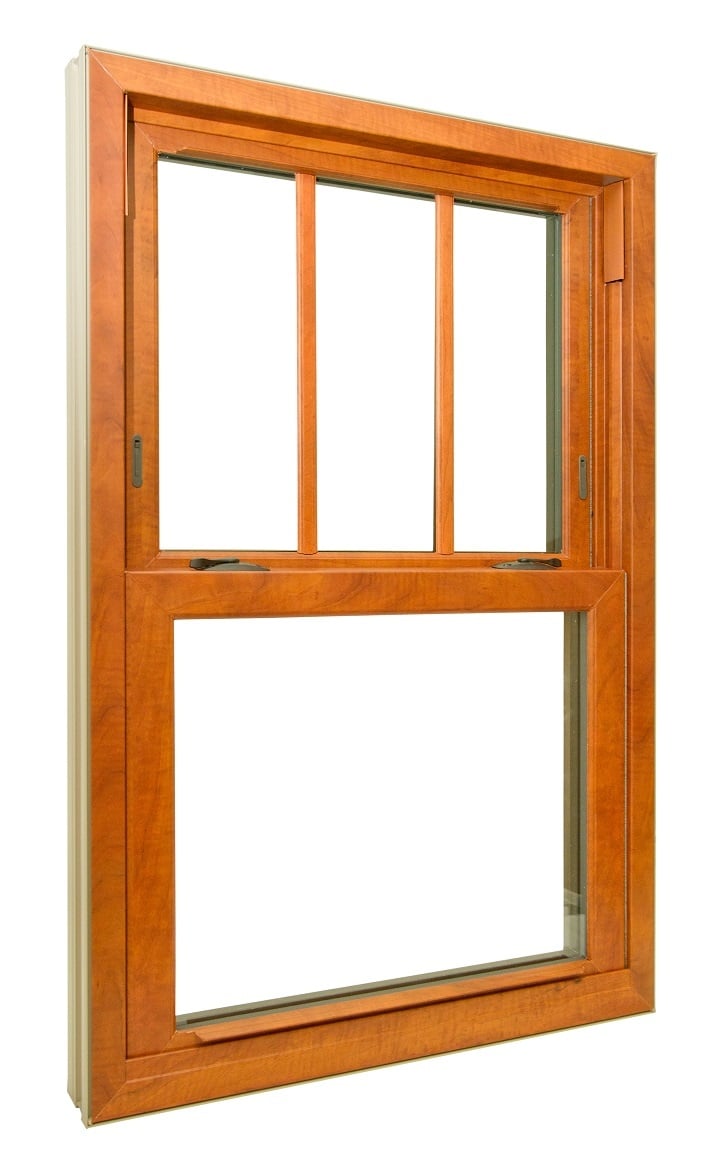
The main difference is double hung windows move at both the lower and upper sashes to open. Double hung windows can cost anywhere from $150-$650 on average. Multiple grid options, glass style options, color options and superior durability make double hung windows a great choice. A number of things will influence the average cost of a replacement window.

how much does it cost to upgrade windows - The internal temperature of your home will likely be easier to maintain

You want to think about the type of window you'll be installing and what type of quality you're expecting. You should also consider the material for the windows – do you want wood, vinyl or fiberglass? Window replacements will cost you, on average, anywhere between $200-$1800 per window. The national average cost of replacement windows runs somewhere between $100-$650 for each window. In Las Vegas, homeowners can expect to pay between $300-$1500 per window - this price range includes installation. In this guide, we'll take a look at some average price ranges for different types of windows and framing materials to help you plan your window replacement.

how much does it cost to upgrade windows - While the initial window replacement cost will be higher

The main factors used when calculating prices are the window type, the window framing material, and labor costs. The average cost for a typical low-E glass vinyl window is $244 to $373 while labor runs $159 to $258 to install. There are over 10 different window designs ranging from fixed non-opening windows to more efficient sliding and double-hung types. Replacing windows costs an average of $300 to $700 per window.

how much does it cost to upgrade windows - If you have single-pane windows in your home

Monday, November 29, 2021

Can Aggregate Functions Be Used Without Group By

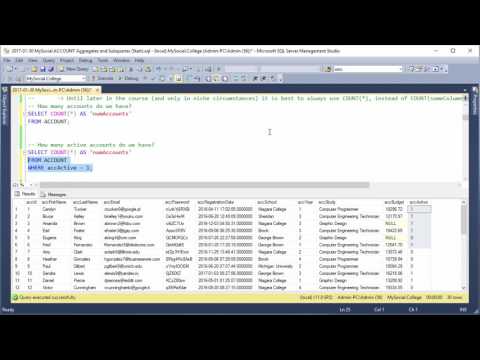
Aggregate functions return a single result row based on groups of rows, rather than on single rows. Aggregate functions can appear in select lists and in ORDER BY and HAVING clauses. They are commonly used with the GROUP BY clause in a SELECT statement, where Oracle Database divides the rows of a queried table or view into groups. In a query containing a GROUP BY clause, the elements of the select list can be aggregate functions, GROUP BY expressions, constants, or expressions involving one of these. Oracle applies the aggregate functions to each group of rows and returns a single result row for each group.

Can aggregate functions be used without group by - Aggregate functions return a single result row based on groups of rows

In other words, WHERE can be used to filter on table columns while HAVING can be used to filter on aggregate functions like count, sum, avg, min, and max. You can also use the having clause with the Transact-SQL extension that allows you to omit the group by clause from a query that includes an aggregate in its select list. The having clause excludes non-matching rows from the result group.,A query with a having clause should also have a group by clause. Having acts like where because it affects the rows in a single group rather than groups, except the having clause can still use aggregates. There's an additional way to run aggregation over a table.

Can aggregate functions be used without group by - Aggregate functions can appear in select lists and in ORDER BY and HAVING clauses

If a query contains table columns only inside aggregate functions, the GROUP BY clause can be omitted, and aggregation by an empty set of keys is assumed. Expression_n Expressions that are not encapsulated within an aggregate function and must be included in the GROUP BY Clause at the end of the SQL statement. Aggregate_function This is an aggregate function such as the SUM, COUNT, MIN, MAX, or AVG functions.

Can aggregate functions be used without group by - They are commonly used with the GROUP BY clause in a SELECT statement

Aggregate_expression This is the column or expression that the aggregate_function will be used on. Tables The tables that you wish to retrieve records from. There must be at least one table listed in the FROM clause. These are conditions that must be met for the records to be selected.

Can aggregate functions be used without group by - In a query containing a GROUP BY clause

The expression used to sort the records in the result set. If more than one expression is provided, the values should be comma separated. ASC sorts the result set in ascending order by expression. This is the default behavior, if no modifier is provider. DESC sorts the result set in descending order by expression.

Can aggregate functions be used without group by - Oracle applies the aggregate functions to each group of rows and returns a single result row for each group

If you omit the GROUP BY clause, then Oracle applies aggregate functions in the select list to all the rows in the queried table or view. The COUNT function returns the total number of values in the specified field. All aggregate functions by default exclude nulls values before working on the data.

Can aggregate functions be used without group by - In other words

SQL aggregate functions perform a calculation on a set of values in a column and return a single value. For instance, when comparing multiple tags, you could retrieve the minimum of the returned minimum values. You usually use aggregate functions with the GROUP BY clause, but it is not required.

Can aggregate functions be used without group by - You can also use the having clause with the Transact-SQL extension that allows you to omit the group by clause from a query that includes an aggregate in its select list

Table 9-50 shows aggregate functions typically used in statistical analysis. In all cases, null is returned if the computation is meaningless, for example when N is zero. How do you create the set of records for the aggregate functions? However, you can also use the full result set of the query as a single record set.

Can aggregate functions be used without group by - The having clause excludes non-matching rows from the result group

The capabilities of the aggregate functions are not realized until used in conjunction with the GROUP BY clause. GROUP BY forces the SQL engine to calculate the aggregate function after the data has been grouped by one or more columns. The first calculates the sum of the value of all orders by the category of the order.

Can aggregate functions be used without group by - Having acts like where because it affects the rows in a single group rather than groups

The second does the same thing, but excludes all rows where value ⇐ 10 before performing the operations. You can use the having clause with the Transact-SQL extension that allows you to omit the group by clause from a query that includes an aggregate in its select list. These scalar aggregate functions calculate values for the table as a single group, not for groups within the table. If the WITH TOTALS modifier is specified, another row will be calculated.

Can aggregate functions be used without group by - Theres an additional way to run aggregation over a table

This row will have key columns containing default values , and columns of aggregate functions with the values calculated across all the rows (the "total" values). We commonly use the aggregate functions together with the GROUP BY clause. The GROUP BY clause divides the rows into groups and an aggregate function calculates and returns a single result for each group. The BIT_AND(), BIT_OR(), and BIT_XOR() aggregate functions perform bit operations.

Can aggregate functions be used without group by - If a query contains table columns only inside aggregate functions

Prior to MySQL 8.0, bit functions and operators required BIGINT (64-bit integer) arguments and returned BIGINT values, so they had a maximum range of 64 bits. Non-BIGINT arguments were converted to BIGINT prior to performing the operation and truncation could occur. It is not permissible to include column names in a SELECT clause that are not referenced in the GROUP BY clause. The only column names that can be displayed, along with aggregate functions, must be listed in the GROUP BY clause. Since ENAME is not included in the GROUP BYclause, an error message results.

Can aggregate functions be used without group by - Expressionn Expressions that are not encapsulated within an aggregate function and must be included in the GROUP BY Clause at the end of the SQL statement

FILTER is a modifier used on an aggregate function to limit the values used in an aggregation. All the columns in the select statement that aren't aggregated should be specified in a GROUP BY clause in the query. By default time series aggregation results are sorted in datetime ascending order. An order by clause can be used to change the direction of the datetime sort or sort by the result of the COUNT function. ORDER BY for other aggregate functions is not yet supported. The ORDER BY can include both fields from the field list and the result of the COUNT function.

Can aggregate functions be used without group by - Aggregatefunction This is an aggregate function such as the SUM

When referring to an aggregate function in the ORDER BY clause the function call as it appears in the field list should be used. All the expressions in the SELECT, HAVING, and ORDER BY clauses must be calculated based on key expressions or on aggregate functions over non-key expressions . In other words, each column selected from the table must be used either in a key expression or inside an aggregate function, but not both. Any numeric field can be used within the aggregations sum, avg, min, and max. As with the basic SELECT statements fields defined by content models can be referenced using the content model prefix. Fields that are reserved words or contain special characters need to be escaped with the back tick character.

Can aggregate functions be used without group by - Aggregateexpression This is the column or expression that the aggregatefunction will be used on

The aggregate functions do not include rows that have null values in the columns involved in the calculations; that is, nulls are not handled as if they were zero. The COUNT() and REGR_COUNT() functions never return null, but either a number or zero . Other aggregate functions return NULL if the input data set contains NULL or has no rows.

Can aggregate functions be used without group by - Tables The tables that you wish to retrieve records from

However, you can use the GROUP BY clause with CUBE, GROUPING SETS, and ROLLUP to return summary values for each group. The HAVING keyword works exactly like the WHERE keyword, but uses aggregate functions instead of database fields to filter. For each of these hypothetical-set aggregates, the list of direct arguments given in args must match the number and types of the aggregated arguments given in sorted_args. Unlike most built-in aggregates, these aggregates are not strict, that is they do not drop input rows containing nulls. Null values sort according to the rule specified in the ORDER BY clause. It should be noted that except for count, these functions return a null value when no rows are selected.

Can aggregate functions be used without group by - There must be at least one table listed in the FROM clause

In particular, sum of no rows returns null, not zero as one might expect, and array_agg returns null rather than an empty array when there are no input rows. The coalesce function can be used to substitute zero or an empty array for null when necessary. DISTINCT and UNIQUE, which are synonymous, cause an aggregate function to consider only distinct values of the argument expression. The syntax diagrams for aggregate functions in this chapter use the keyword DISTINCT for simplicity.

Can aggregate functions be used without group by - These are conditions that must be met for the records to be selected

The GROUP BY clause divides the rows returned from the SELECTstatement into groups. For each group, you can apply an aggregate function e.g.,SUM() to calculate the sum of items or COUNT()to get the number of items in the groups. Suppose we want a report that gives total amount of payments made so far. We can use the MySQL SUM function which returns the sum of all the values in the specified column. In this lesson you saw example queries using aggregate functions combined with GROUP BY and without GROUP BY. You learned the standard SQL aggregate functions. There are other non standard aggregate functions that every database provides as part of its dialect-specific SQL.

Can aggregate functions be used without group by - The expression used to sort the records in the result set

You can take a look at your database documentation to identify what alternative aggregate functions you have in your SQL dialect. The GROUP BY statement is often used with aggregate functions (COUNT(),MAX(),MIN(), SUM(),AVG()) to group the result-set by one or more columns. This means the code will count only distinct products – i.e. it will count a specific product only the first time it appears for a particular salesperson.

Can aggregate functions be used without group by - If more than one expression is provided

The DISTINCT clause is essential in this query because the same product can appear multiple times on different dates. Otherwise, the COUNT() function would count a product every time it appears in the table, which is not the result you want. If you use aggregate functions without a GROUP BY clause, then the aggregate functions apply to all rows of the queried tables or views. Use the GROUP BY clause with aggregate functions in a SELECT statement to collect data across multiple records. An aggregate function is a function that summarizes the rows of a group into a single value. COUNT, MIN and MAX are examples of aggregate functions.

Can aggregate functions be used without group by - ASC sorts the result set in ascending order by expression

An aggregate function performs a calculation on a set of values and returns a single value. These are often used with the GROUP BY clause of the SELECT statement. The GROUP BY statement groups rows that have the same values.

Can aggregate functions be used without group by - This is the default behavior

This statement is often used with some aggregate function like SUM, AVG, COUNT atc. Having Clause is basically like the aggregate function with the GROUP BY clause. The HAVING clause is used instead of WHERE with aggregate functions. While the GROUP BY Clause groups rows that have the same values into summary rows. The having clause is used with the where clause in order to find rows with certain conditions. The having clause is always used after the group By clause.

Can aggregate functions be used without group by - DESC sorts the result set in descending order by expression

Takes two column names or expressions as arguments, the first of these being used as a key and the second as a value, and returns a JSON object containing key-value pairs. Returns NULL if the result contains no rows, or in the event of an error. An error occurs if any key name is NULL or the number of arguments is not equal to 2. Though it's not required by SQL, it is advisable to include all non-aggregated columns from your SELECT clause in your GROUP BY clause. We'll call columns/expressions that are in SELECT without being in an aggregate function, nor in GROUP BY,barecolumns.

Can aggregate functions be used without group by - If you omit the GROUP BY clause

In other words, if our results include a column that we're not grouping by and we're also not performing any kind of aggregation or calculation on it, that's a bare column. The Group By statement is used to group together any rows of a column with the same value stored in them, based on a function specified in the statement. Generally, these functions are one of the aggregate functions such as MAX() and SUM(). SQL allows the user to store more than 30 types of data in as many columns as required, so sometimes, it becomes difficult to find similar data in these columns. Group By in SQL helps us club together identical rows present in the columns of a table.

Can aggregate functions be used without group by - The COUNT function returns the total number of values in the specified field

This is an essential statement in SQL as it provides us with a neat dataset by letting us summarize important data like sales, cost, and salary. Aggregate functions in SQL work on a set of records, producing a result for each set of records they process. This is evaluated for each row before it is used in the aggregation and is supported for all aggregate functions. Aggregate functions don't accept nested aggregate functions or window functions as arguments. The MIN() and MAX() functions can be seen as the opposite poles of one function. They work the same way, only one function returns the minimum and the other maximum value in a set of values.

Can aggregate functions be used without group by - All aggregate functions by default exclude nulls values before working on the data

Listagg removes null values before aggregation2 like most other aggregate functions. If no not null value remains, the result of listagg is null. If needed, coalesce can be used to replace null values before aggregation. We also use the aggregate functions in the HAVING clause to filter groups from the output based on the results of the aggregate functions. Oracle aggregate functions calculate on a group of rows and return a single value for each group.

Can aggregate functions be used without group by - SQL aggregate functions perform a calculation on a set of values in a column and return a single value

Aggregation can be computed over all the matching paths, or it can be further divided by introducing grouping keys. Grouping keys are non-aggregate expressions, that are used to group the values going into the aggregate functions. In this query, all rows in the EMPLOYEE table that have the same department codes are grouped together. The aggregate function AVG is calculated for the salary column in each group. The department code and the average departmental salary are displayed for each department.

Can aggregate functions be used without group by

Not an aggregate function, but can be used in conjunction with aggregate functions to determine the level of aggregation for a row produced by a GROUP BY query. GROUP BY enables you to use aggregate functions on groups of data returned from a query. You may avoid a group by clause if all columns selected have aggregate functions applied. If you want to exclude duplicate values from the aggregate function results, use the DISTINCT keyword. If nothing is specified the ALL is assumed as the default. The columns to be retrieved are specified in the SELECT statement and separated by commas.

Can aggregate functions be used without group by - You usually use aggregate functions with the GROUP BY clause

Any of the aggregate functions can be used on one or more than one of the columns being retrieved. If you filter the same rows after grouping, you unnecessarily bear the cost of sorting, which is not used. An aggregate function performs a calculation one or more values and returns a single value. The aggregate function is often used with the GROUP BY clause and HAVING clause of the SELECT statement. This query selects the column date from the table sales.

Can aggregate functions be used without group by - Table 9-50 shows aggregate functions typically used in statistical analysis

Again, the average of the items sold is calculated and the result is shown in the column avg_items_per_date. You want the result to be displayed by date, so you need to group the result by the date column. If the query does not strictly require the return of a delimited string, arrays can be used to return an array of values.

Can aggregate functions be used without group by - In all cases

Deleting An Item From A Vector C#

The GetValue and SetValue strategies of the Array class would be utilized to get and set values of an array's items. The code listed in ...